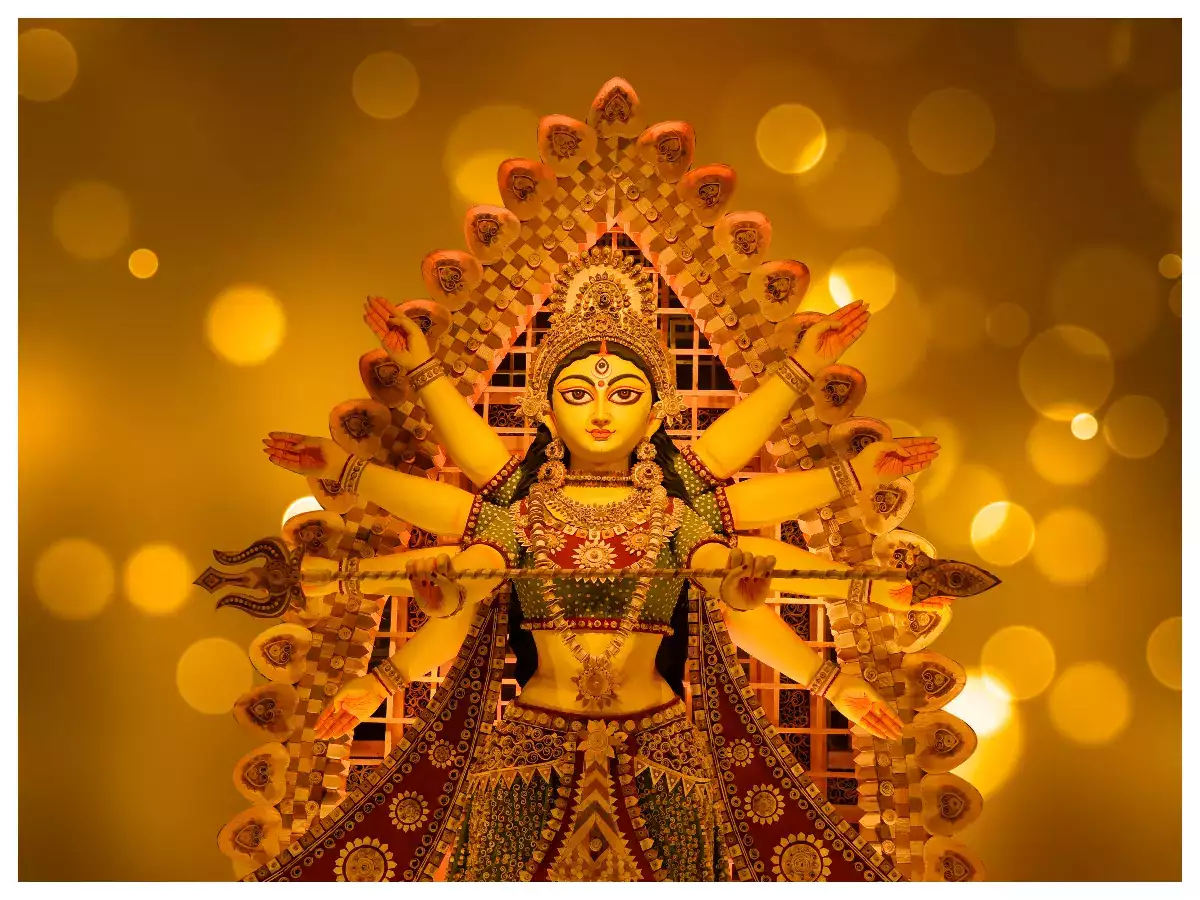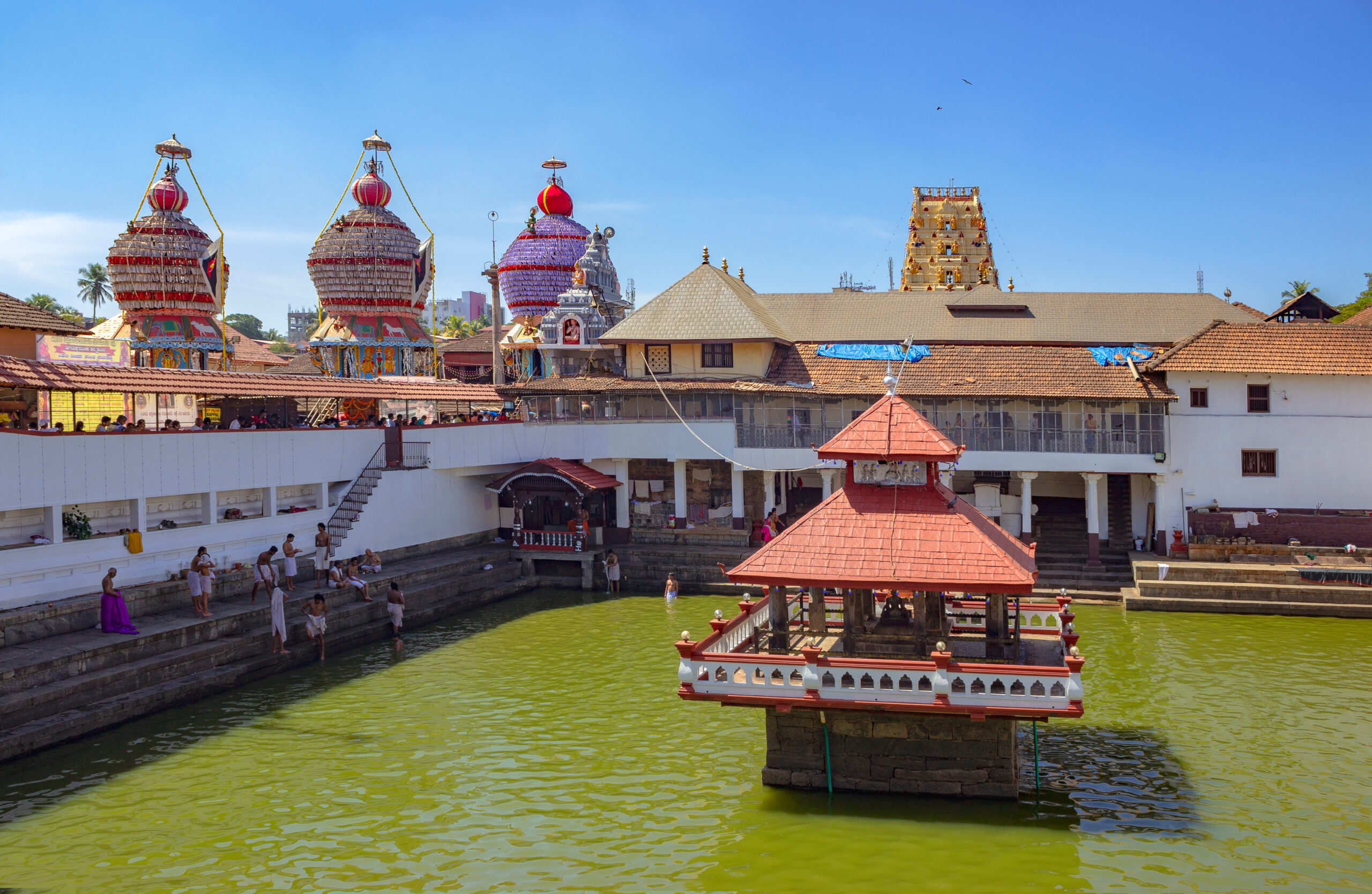
The Udupi Sri Krishna Temple stands as a beacon of spiritual devotion, architectural splendor, and culinary tradition in coastal Karnataka. Having fed millions of devotees over centuries through its sacred kitchen, this temple embodies the philosophy of “Annam Brahma” – where food is revered as divine. This temple not only nourishes spiritual seekers but has also influenced one of India’s most celebrated vegetarian culinary traditions.
The Historical Foundations of Udupi Sri Krishna Temple
The story of Udupi’s famous temple begins in the 13th century with the remarkable saint and philosopher Sri Madhvacharya (1238-1317). As one of India’s greatest religious reformers, Madhvacharya established the temple as part of his mission to spread the Dvaita philosophy, a dualistic interpretation of Vedantic teachings617.
The temple’s origin is wrapped in mystical lore. According to tradition, Madhvacharya discovered the vigraha (idol) of Lord Krishna concealed within a large ball of gopichandana (sacred clay). What makes this temple particularly unique is that the deity unusually faces west, unlike most Hindu temples where deities face east. This westward orientation happened through the divine intervention prompted by the devotion of Kanakadasa, a devotee from a lower caste.
The temple complex grew to include eight monasteries known as Ashta Mathas, each dedicated to different aspects of Lord Krishna and managed by different Swamis. These institutions have played a crucial role in preserving and propagating Madhvacharya’s teachings throughout the centuries.
Architectural Marvel and Sacred Windows
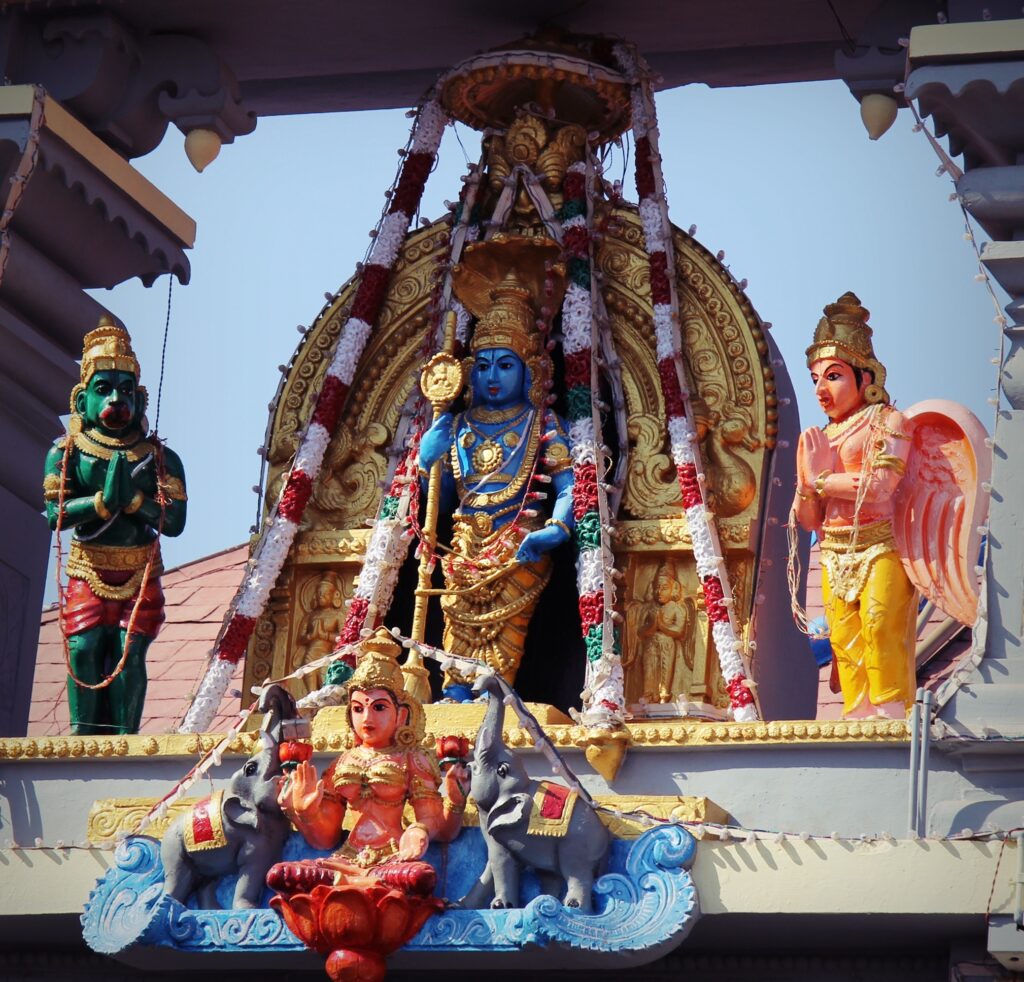
The architectural style of the Udupi Krishna Temple reflects a harmonious blend of Dravidian, Hoysala, and Vijayanagara traditions, making it a significant cultural landmark in South India.
One of the most distinctive features of the temple is how devotees worship Lord Krishna – through a silver-plated window with nine holes called the “Navagraha Kindi.” This unique darshan (sacred viewing) arrangement creates an intimate experience between devotees and the divine.
The temple also features the famous “Kanakana Kindi,” a small window through which Lord Krishna is said to have given darshan to his devotee Kanakadasa, who was initially denied entry into the temple due to caste restrictions. This window stands as a powerful reminder of the inclusive spiritual values that transcend social barriers.
The Sacred Kitchen: Feeding Bodies and Souls
Annam Brahma: Food as Divine Offering
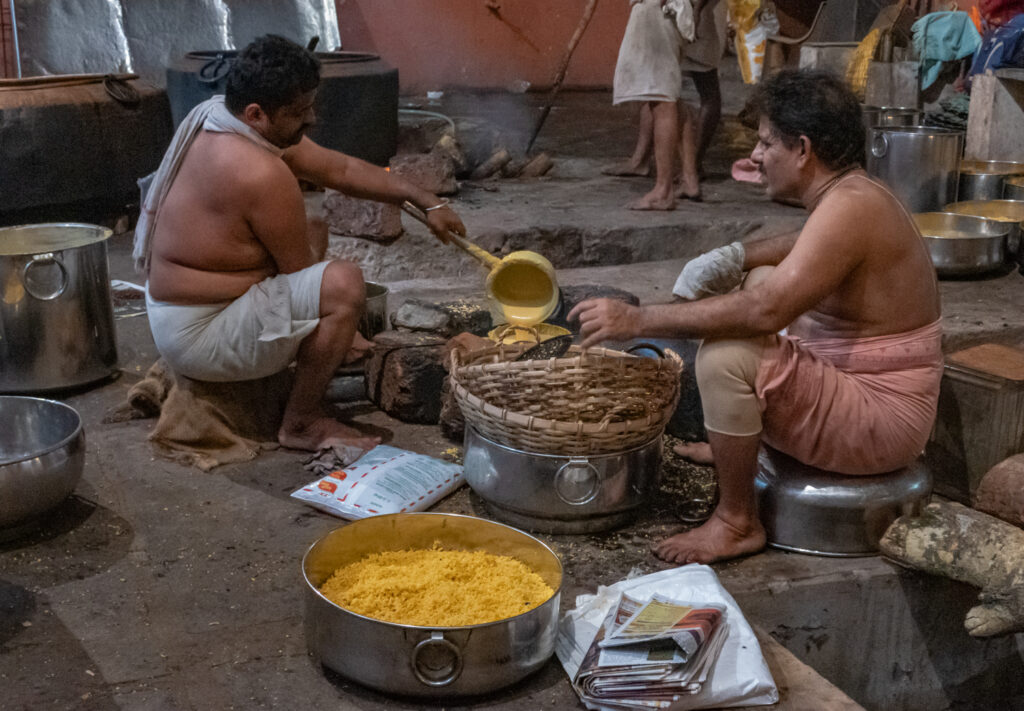
The Udupi Sri Krishna Temple is renowned for its commitment to the concept of “Annam Brahma” – the philosophy that food is sacred and equivalent to God10. This belief transforms the act of feeding people into a profound spiritual practice.
Every day, the temple’s kitchen works tirelessly to prepare and serve meals to over 4,000 devotees completely free of cost10. This tradition of annadanam (food charity) has continued uninterrupted for centuries, making it one of the most enduring feeding programs in the world.
The Sacred Meal Schedule and Experience
The temple serves food twice daily with well-established timings:
- Lunch (Annaprasada): 12:00 pm – 2:30 pm
- Dinner: 8:00 pm – 9:30 pm12
The dining experience itself follows traditional customs. Devotees sit cross-legged on the floor in long rows while volunteers serve food on banana leaves, following the age-old South Indian tradition. This practice of eating on banana leaves is not merely cultural but also environmentally sustainable and is believed to enhance the nutritional value of the food.
The Sattvic Menu
The food served at the Udupi temple strictly follows sattvic principles – food that is pure, clean, and promotes clarity of mind according to Ayurvedic traditions. The typical menu includes:
- Rice (steamed)
- Sambar (lentil soup with vegetables)
- Side vegetable curry
- Rasam (spiced tamarind soup)
- Payasam (sweet pudding)
What makes this food particularly special is that it’s prepared without onion and garlic, following the traditional Madhwa Brahmin cooking style8. Despite these restrictions, the food is known for its exceptional taste and nourishing qualities.
Culinary Heritage: The Birth of Udupi Cuisine
From Temple Kitchen to Global Phenomenon
The temple’s cooking traditions have given birth to what is now globally recognized as “Udupi Cuisine.” This vegetarian culinary tradition has spread far beyond the temple walls and has influenced restaurants worldwide.
The culinary experts Malati Srinivasan and Geetha Rao, in their book “The Udupi Kitchen,” elaborate on the scientific logic behind the region’s vegetarian food habits. The cuisine showcases indigenous vegetables, fruits, cereals, and pulses specific to the coastal region known as Parashurama Kshetra.
Beyond Dosas and Idlis: The Vast Repertoire
While many associate Udupi cuisine primarily with dosas, idlis, and other breakfast items, the tradition encompasses a vast array of dishes. Some signature preparations include:
- Bisi Bele Hulianna (spicy lentil and rice dish)
- Saaru (spiced lentil soup)
- Huggi (rice and green gram with pepper and cumin)
- Modaka (sweet dumplings with coconut and jaggery filling)
- Majjige Palidya (vegetables in seasoned yogurt)
- Drakshi Gojju (raisins in sweet-sour gravy)
These dishes represent centuries of culinary wisdom that balances taste, nutrition, and spiritual principles.
The Temple’s Cultural Impact and Tourism
A Pilgrimage Destination
The Udupi Sri Krishna Temple has become a significant pilgrimage and tourist destination. Visitors come not only for spiritual reasons but also to experience the renowned food service11. The temple’s reputation for serving quality, free meals has traveled far, with many travelers specifically mentioning it as a highlight of their visit to Karnataka.
Cultural Heritage and Identity
For the people of coastal Karnataka, particularly the Tulu-speaking communities and Madhwa Brahmins, the temple represents a crucial part of their cultural identity. The temple kitchens have preserved cooking techniques and recipes that might otherwise have been lost to time.
The temple has also served as a center for arts, music, and learning, preserving traditional knowledge systems alongside its spiritual and culinary traditions. This multifaceted role has made it a living heritage site rather than merely a religious institution.
Modern Relevance and Continuing Traditions
Despite modernization and changing social dynamics, the temple’s traditions continue to thrive. The free feeding program operates daily without interruption, serving anyone who comes regardless of caste, creed, or religion.
In today’s fast-paced world, the temple’s commitment to providing nourishing food with devotion offers an important counterpoint to commercial food systems. The concept of food as a sacred offering rather than merely a commodity represents an alternative value system that many find refreshing and meaningful.
Conclusion: More Than Just a Meal
The Udupi Sri Krishna Temple’s food tradition represents far more than just physical nourishment. It embodies a philosophy where cooking is an act of devotion, eating is a spiritual practice, and sharing food erases social boundaries. The temple kitchen serves as a living example of how ancient wisdom can remain relevant in addressing contemporary challenges like food security and social division.
For visitors to the temple, partaking in the free meal is not merely about satisfying hunger but about connecting with a centuries-old tradition that feeds both body and soul. As you sit on the floor with people from all walks of life, eating food prepared with devotion and served with love, you experience a profound reminder of our shared humanity and the divine presence in the simple act of breaking bread together.