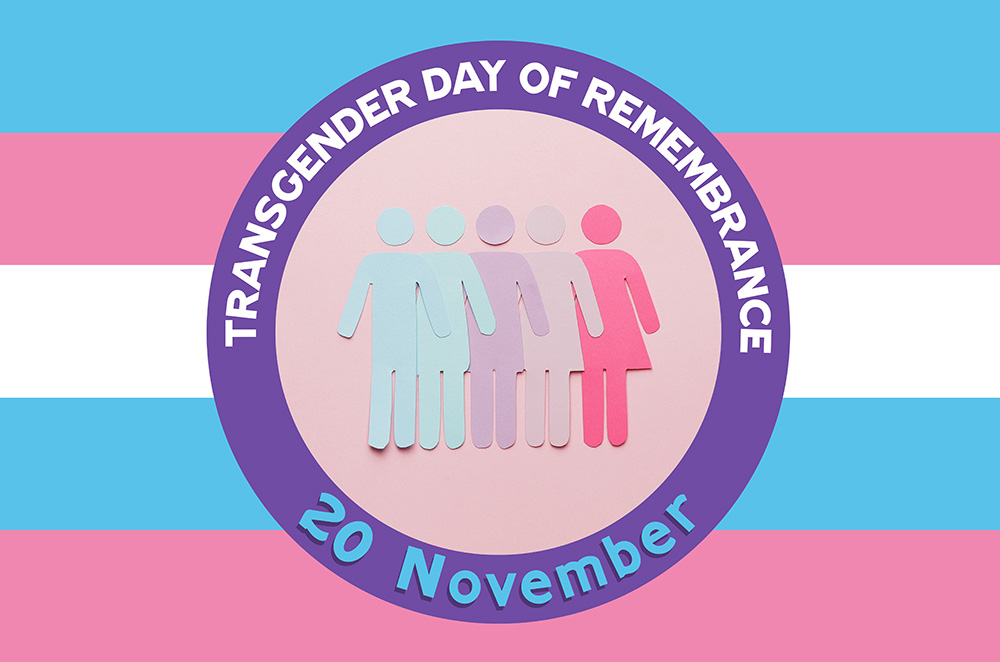
The Constitution of India, 1950 provides every person equality before the law and gives every individual the right to live with human dignity. In addition to it, every citizen of the nation gets the right not to be discriminated on the basis of religion, race, caste, sex or place of birth. However, when it comes to offences like sexual harassment, voyeurism, stalking, sexual assault and rape cases, men and transgender communities of the society are always denied their rights.
Gender equality is much more than just men and women. Gender-neutral policies are defined as laws and initiatives that have no unequal influence on multiple groups, whether negative or positive. However, if differences in the social and cultural settings of the groups are not taken into consideration when designing policy, gender equality might be reduced to gender discrimination. The United Nations supports a similar theory, stating that equality between men and women is required to uphold human rights.
Why laws should be gender neutral?
The original assumption that women can never be predators comes from the fact that, even while the legal definition of rape lists a variety of actions that might constitute rape, such actions would still be viewed as penile-vaginal intercourse by the general public. The common population believes that only males can create control since they are frequently biologically built to be stronger than women.
The second presumption is based on the notion that men can never be sexually assaulted since they are always excited about sexual acts, indicating their consent. This is to imply that arousal in the male body can be produced by a variety of factors,including the desire to be a willing participant. Studies have revealed, however, that arousal may be brought on by a number of things, including fear, humiliation, and anxiety, all of which can cause erections. Male exploitation is finally being acknowledged to occur on a larger scale. Several developed nations have also embraced impartial and gender-neutral law, including Canada, Finland, Australia, the Republic of Ireland, and the majority of the states in the United States of America.
Although fairness and social justice are stressed in the Preamble of the Indian Constitution, some laws and policies go directly against these goals. In order to protect women from all forms of workplace harassment, the Sexual Harassment of Women at Workplace (Prevention, Prohibition, and Redress) Act of 2013 was passed. The act’s protection of women’s fundamental rights to equality and dignity is stated in the document as well. But the point of contention is how sexual violence occurs in the workplace and how India’s fundamental rights to equality and dignity do not apply only to one gender. This Act reaffirms the notion that violence is confined to women and that male, or any other group, should never be subjected to it.
Laws that emphasise on gender neutrality
In fact, section 375 of the Indian Penal Code defines rape as an act of non-consensual sexual activity committed against a woman. This section is likewise predicated on the idea that only men can commit rapes and that only women may be victims of rapes. A lot of rulings and laws promote the idea of gender equality. Iceland, for instance, promoted the notion of a gender-neutral policy by becoming the first nation to enact an equal pay provision in 2018. Businesses with 25 or more employees are now required to present certifications proving that the fair pay clause is being followed. This aims to eliminate the significant salary disparity between men and women, promoting gender equity and equality. In the view of the law, Article 14 states that everyone has the right to equality. This article claims that everyone, nevertheless their gender, is equal.
Article 15 prohibits separation on the basis of gender, i.e., no one can discriminate on the basis of a person’s or a case’s sex, creed, or any other type of discrimination.
Male assaults are less common than female assaults, but it’s still crucial to realise that men need protection from the law just like women do. Equal protection under the law for men and women in sexual assault cases does not imply that women’s rights are being violated. On the other side, giving men a platform to talk about their abuse and the capacity to report incidents would reduce the toxic masculinity of dominance assertion, which has historically been the main cause of violence against women.
One of the reasons why men do not come out about being victims of sexual assault against them is the fear of being judged by society and the fear of retaliation from a culture that upholds the stigma that “men cannot be victims of the assault.”
Efforts taken to gender neutralise the laws
Long-term efforts have been undertaken to gender-neutralize rape laws. The 172nd Law Commission of India made the initial effort in 2000. The proposals, however, were not included in the country’s legislation. After the infamous Delhi gang-rape case, another attempt was made, and a committee headed by Justice JS Varma, the former Chief Justice of India, was established to suggest rules for the safety of women.
One of the committee’s proposals was to keep males as the perpetrators of rape and to make the crime gender-neutral insofar as the victim is concerned. However, some women’s rights organisations have resisted, arguing that rape is a crime that disproportionately affects women and that any move to change that would make things worse for women. As a result, this advice was not followed.
Acknowledging the problem
One of the first steps in acknowledging the reality of male sexual victimisation is to modify the way laws are drafted. This holds true for other laws as well, such those against domestic abuse and family law, in addition to the Indian Penal Code of 1860. We cannot continue to practise law from the Victorian era in a 21st-century judicial system. As was already said, there is a need to switch from a women-centric approach to lawmaking to one that is gender-neutral.
There is a strong need to conduct gender sensitization programs for the entire population, particularly for law enforcement authorities, whether they be judges, police officers, or politicians. This is necessary so that victims do not hesitate to report complaints to police officers. Victims usually approach the police as the first authority in the judicial system.
Summary Video