Introduction of Menstruation:
Menstruation is not just a physical process, but an emotional and spiritual one as well. It can be a journey of self-discovery and growth, if we allow it to be.
Menstruation is a natural process that affects all women. It is a time of hormonal shifts, physical changes, and internal reflection.
This article explores the importance of embracing the menstrual journey, as well as offers tips to better understand the cycle and its effects.
What is Menstruation?
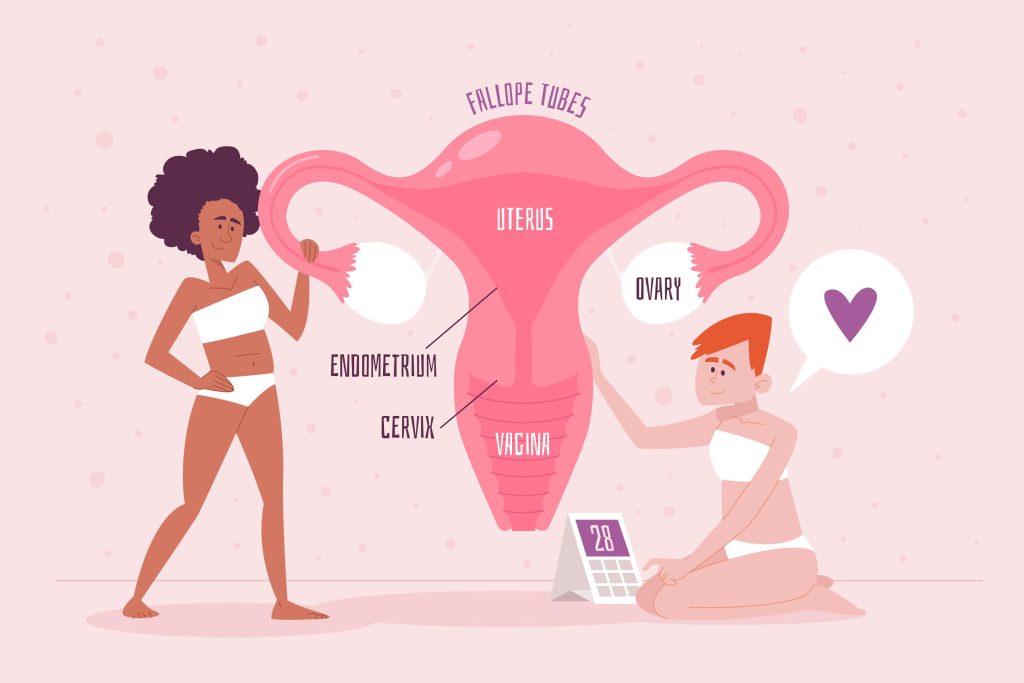
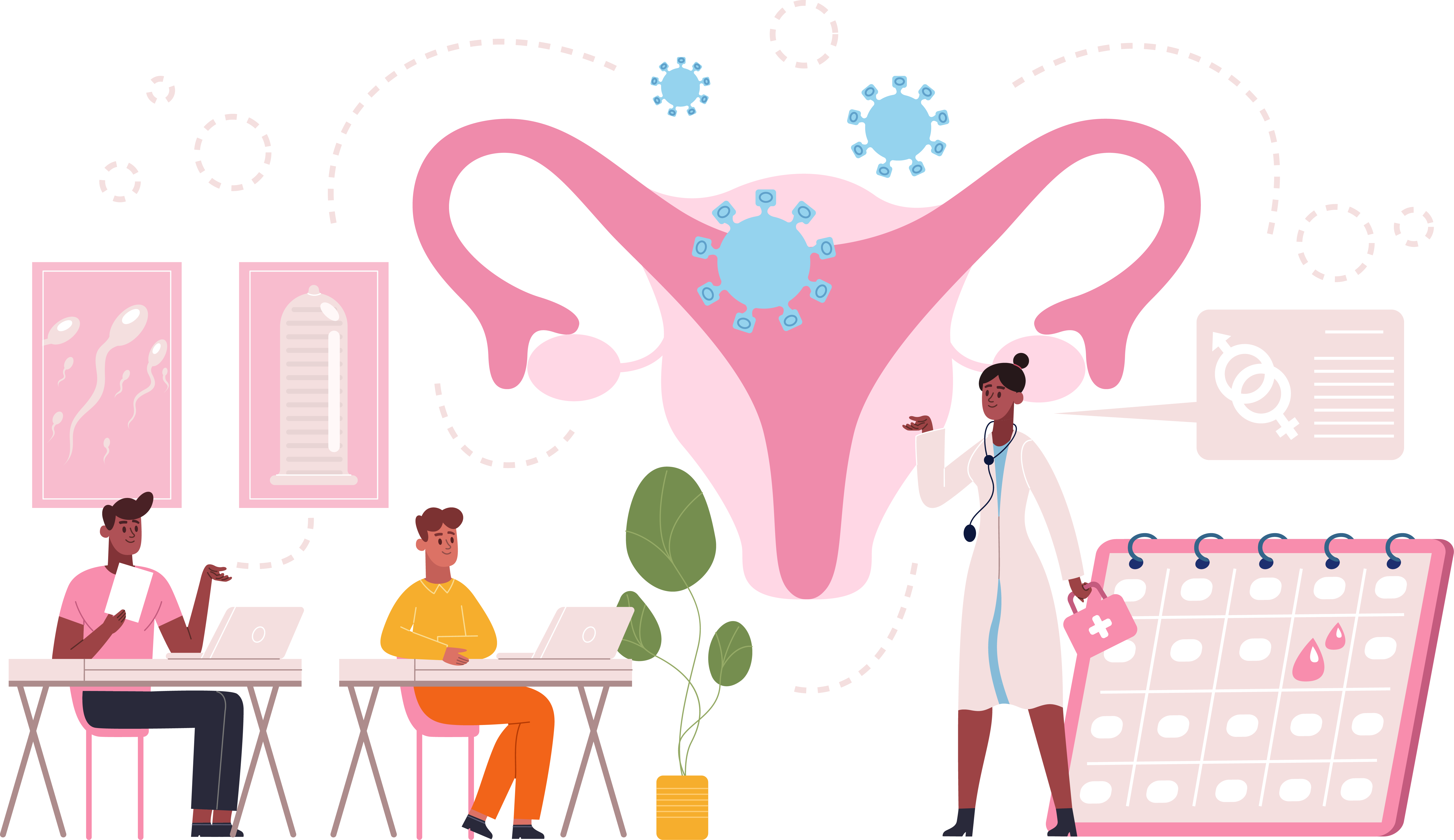
The innermost layer of your uterus sheds each month during menstruation. Menses, menstrual period, menstrual cycle, and period are other names for menstruation.
Menstrual blood leaves your uterus through the cervix and exits your body through the vagina. Menstrual blood is mostly blood along with some tissue from inside your uterus.
Hormones control the beginning of menstruation.
At specific moments during your menstrual cycle, your ovaries, a component of your reproductive system, and your pituitary gland, located in your brain, produce and release specific hormones.
The lining of your uterus becomes thicker as a result of these hormones. This occurs so that an egg can implant into your uterine lining during the course of a pregnancy.
The ovaries in your body release an egg (ovulation) as a result of hormones. The egg travels through your fallopian tubes and waits for sperm there.
Pregnancy cannot occur if a sperm does not fertilize that egg and if your still inner layer of uterus breaks and sheds. Congratulations! You are now on your period.
What is the Physiology behind this?
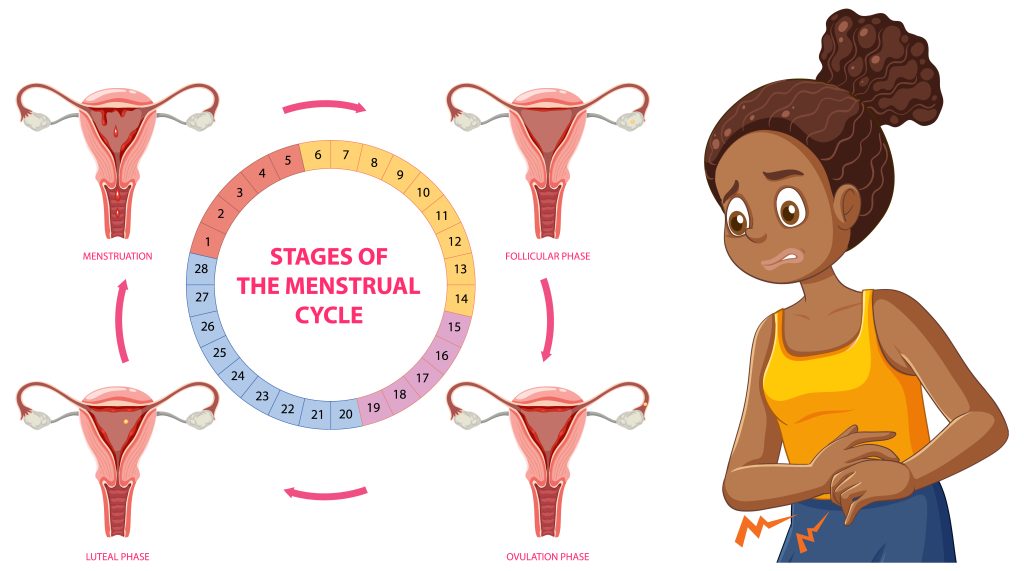
The phases of your menstrual cycle are caused by the upward and downward movements of your hormone levels.
Your reproductive organs behave in particular ways as a result of your hormones. The exact occurrences during your menstrual cycle are as follows:
- Menses Phase: The shedding of your uterine lining through your vagina takes place during the menses phase, which normally lasts from day one to day five if pregnancy has not yet taken place.
The average person bleeds for three to five days, however bleeding that lasts only three days or up to seven days is typically not problematic.
- The follicular phase: Normally, this period lasts from days six to fourteen. The amount of the hormone oestrogen increases at this time, which causes the endometrium, the lining of your uterus, to expand and thicken.
Also, follicles in your ovaries expand as a result of another hormone called follicle-stimulating hormone (FSH). One of the growing follicles will develop into a completely mature egg (ovum) between days 10 and 14.
- Ovulation: In a 28-day menstrual cycle, this phase usually takes place on day 14 or so. Your ovary releases an egg when there is a sudden rise in another hormone called luteinizing hormone (LH). This is the ovulation process.
- The luteal phase: It lasts for around fifteen to 28 days. Your egg leaves your ovary and starts to make its way to your uterus through your fallopian tubes.
In order to help in preparing your uterine lining for pregnancy, progesterone levels increase.
You become pregnant if the egg is fertilised by the sperm and fuses to your uterine wall (implantation).
The thick lining of your uterus sheds during your period. Now the most Important question which everybody asks.
At What Particular Age Female starts to Bleed?
Female starts their period on average at age 12.
However, you can start having your periods as early as age 8 or as late as age 16. The majority of women usually begin menstruating a few years after developing breasts and pubic hair.
When a woman reaches menopause, which typically happens at age 45-51, her period stops.
Ovulating stops (egg production stops) that is when a woman reaches her menopause phase.
When to know you start having your first Periods?
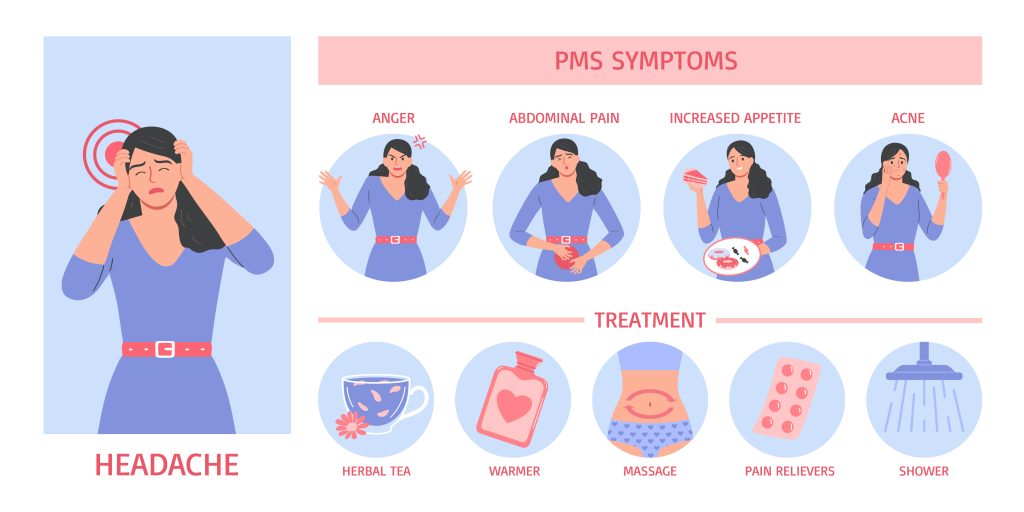
Some people have menstrual symptoms, whereas others don’t. These symptoms might also range in intensity. Cramps are the one of the main symptoms.
Your uterus is contracting to discharge its lining when you experience cramps in your pelvic region.
Additional signs that your menstruation begins are:
- Difficulty sleeping.
- Craving for food.
How much female’s Bleed during her Periods?
During your period, you are likely to be bleed about two to three teaspoons (tbs) of blood.
Here are several signs that indicate irregular menstrual bleeding:
- Bleeding for one to two hours at a time through a pad or tampon.
- Release of blood clots that are larger than a quarter.
- Every time you get your period, you bleed for more than seven days.
- The amount of bleeding can vary from cycle to cycle, which is typical. It’s also important to keep in mind that your normal may not be the same as someone else’s.
If you have concerns about irregular or heavy bleeding during your period, consult a healthcare professional.
Now most of you must be thinking that when to know that you have a healthy Periods?
So, here is the answer of all your why’s and when.
When to know that you have healthy Periods?
Healthy Periods or a healthy menstrual cycle typically lasts 28 days. A cycle, that might last anywhere between 21 and 35 days is still considered normal.
This is about Menstruation and all. But what we are most concerned that how Periods Myths affecting the life of a teen girls.
How Periods Myths Impacting the life of Female’s?
In many less financially developed countries, a significant portion of girls stop attending school when they start their period.
This includes more than 23% of Indian girls. In addition, the monthly menstrual cycle creates problems for female teachers.
As a result, the right to privacy is compromised by the lack of suitable menstruation protection options or clean, safe, and private restrooms for female teachers and students, as well as by the gender-unfriendly school atmosphere and infrastructure.
Considering girls and menstruation, there are additional health and hygienic decisions to take into account.
In India, almost 77% of menstruation women and girls utilise an old, frequently recycled cloth.
Also, 88% of Indian women occasionally use ashes, newspapers, dried leaves, and husk sand as absorbents.
Girls are at danger of discrimination because of the smell of menstrual blood, which may increase risk to infection. Inadequate washing facilities are another issue.
The latter could have serious effects on their mental health.
The difficulty of dealing with the sociocultural taboos and beliefs around menstruation is made it even more difficult due to the girls’ relatively limited knowledge of puberty, menstruation, and reproductive health.
Periods are the most beautiful event in the female’s life and when it starts be happy ladies! you are all grown up now.