The above words apply to individuals of all age groups and those in relationships. However, in this discussion, we will explore these ideas from a teenager’s perspective.
Times are changing, and so are the things around us. The way we perceive and respond to things has evolved significantly, largely due to the exposure of children to mobile devices and the internet. Today, being in a relationship and dating is quite common among teenagers. Many teenagers enter relationships because they genuinely want to, while others may feel pressured to do so because it seems ‘cool’ or just to ‘fit in.’
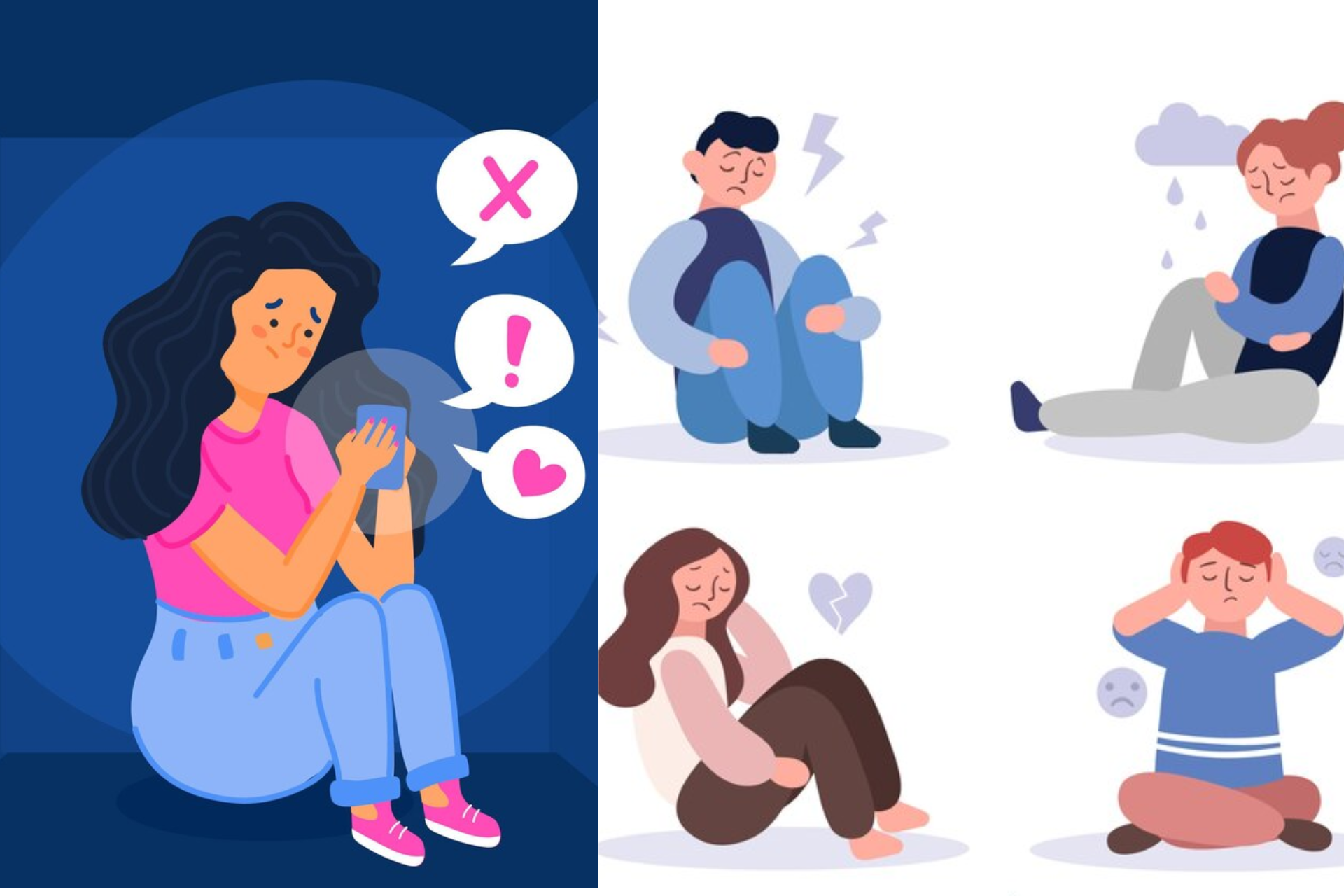
As parents, we may or may not be fully aware of this. At some point, we may have advised or warned our children that it’s not the right time to be in a relationship, but we may have failed to discuss what to do if they are in one. Questions like if you are in a relationship what is it that you should be doing, what is it that you shouldn’t be doing, what is consent, and what are the boundaries become significant. Being in a relationship at such a young age can have a strong impact on a child’s psychology. If they are in a relationship they may face a breakup, which may be very traumatic for them at this stage as they don’t know how to handle it. They can’t talk to you as you don’t know that they are in a relationship puts them in a difficult situation where they have to navigate these emotions on their own.
Blaming relationships or dating isn’t the solution, as these experiences are a part of growing up. The issue lies in the age and the underdeveloped mental strength to handle such situations. Parents tend to focus on providing education, healthcare, and vacations, thinking these are the pillars of good parenting. However, it’s crucial to shift our mindset and initiate uncomfortable conversations with our children. It doesn’t matter whether your child is currently involved in these activities; they need to be prepared for them.
Children can learn about relationships and consent from various sources, such as the Internet and media. But are these the right places for them to acquire this knowledge? It’s essential for parents to have conversations with their pre-teen children about consent, relationships, and boundaries. Otherwise, they might learn from misleading sources, like movies and songs.
For instance, songs like “To haan ka rya na kar to hai meri kiran” might convey the wrong idea of consent. Dialogues like “Ladki ke haan mein na hoti hai” can perpetuate harmful misconceptions about consent. Similarly, scenes from movies like Kabir Singh can present problematic views of relationships that are patriarchal and misogynistic.
Quoting exact lines from the book “Unparenting” By Reema Ahmad, the writer shows certain scenes to his child about a hero tugging at a heroine dupatta following her, and imploring her to be with him. The Writer pauses and asks her child if he feels that what is happening is right, and the child is confused and answers- ” But Amma, Everything is ok in love, no?” What the child said is a testament to the way we have been taught to act in love, the way love is presented to us in songs acts as a powerful force to which one must bend one’s will; a force to which one loses one’s individual voice. This version of love and relationships has no room for individual doubts and respect that presupposes that everyone is comfortable so that everyone can say ‘no’ to something that they’re not ready for.
These are changing times, and we must step up and have these discussions at an early stage. Dedicate time from your daily routine to talk to your child about topics you may have avoided in the past. Your child needs your guidance and knowledge more than what they can find on the internet. Trust that if they ever encounter a dilemma of judgment about what is right and wrong, they will remember your guidance rather than what they’ve seen online. Creating an open and safe space where they can discuss their relationships and dating experiences is crucial. It may be tempting to think, “Why should I initiate these conversations when my child isn’t involved in such activities?” However, engaging in these discussions can help them understand the complexities when they do eventually become a part of such experiences in the future.
Imagine that while you’re peacefully asleep in one room, your child might be crying over a breakup they had today, feeling like they have no one to talk to about it because they know you won’t offer them just ice cream. Instead, you might say, “Padhne likhne ki umar mein yahi sab karo”. This is where the communication gap widens between parents and children. Instead of listening to their troubles, we start placing blame on them. It’s important to convey to them that what they do might not be inherently wrong, but the timing might be inappropriate. So, don’t wait for breakups to happen; instead, buy that ice cream and have a meaningful conversation with your child about these important matters.