Same-sex marriage is a form of marriage that is recognized and legally performed between two individuals of the same sex. It has been the subject of heated debate in many societies worldwide. Supporters of same-sex marriage argue that it promotes equality and inclusivity, while opponents argue that it undermines traditional values and norms.
From a social perspective, allowing same-sex couples to marry is a step towards greater equality and inclusivity. It affirms the right of all individuals to love and form committed relationships regardless of their sexual orientation. Moreover, it provides legal recognition and protections for same-sex couples, such as the ability to make medical decisions for their partners or to inherit their assets.
However, there are people who argue that same-sex marriage has drawbacks. Some people believe that it undermines the traditional institution of marriage, while others argue that it could lead to a decline in birth rates, as same-sex couples are unable to have biological children. Additionally, some people also argue that children raised by same-sex couples may suffer from social stigma and psychological stress.
One argument that is often made in support of same-sex marriage is that it breaks certain stereotypes and promotes non-heteronormative practices. However, this can create some social and biological dilemmas.
Firstly, same-sex marriage is not homogenizing. It recognizes the diversity within the LGBTQ+ community and acknowledges that not all individuals within this community identify in the same way. The legalization of same-sex marriage does not mean that all individuals within the LGBTQ+ community will marry or that they will conform to a particular ideal of what a marriage should be. Rather, it provides individuals with the choice to marry if they so choose, and to have their relationship recognized and protected under the law.
Moreover, same-sex marriage breaks certain stereotypes about gender and sexuality. It challenges the notion that marriage is only meant to be between a man and a woman, and that individuals shouldn’t need to conform to gender roles based on their biological sex. Same-sex marriage promotes the idea that individuals should be free to express their gender and sexuality in ways that feel authentic to them, and that they should not be constrained by societal expectations.
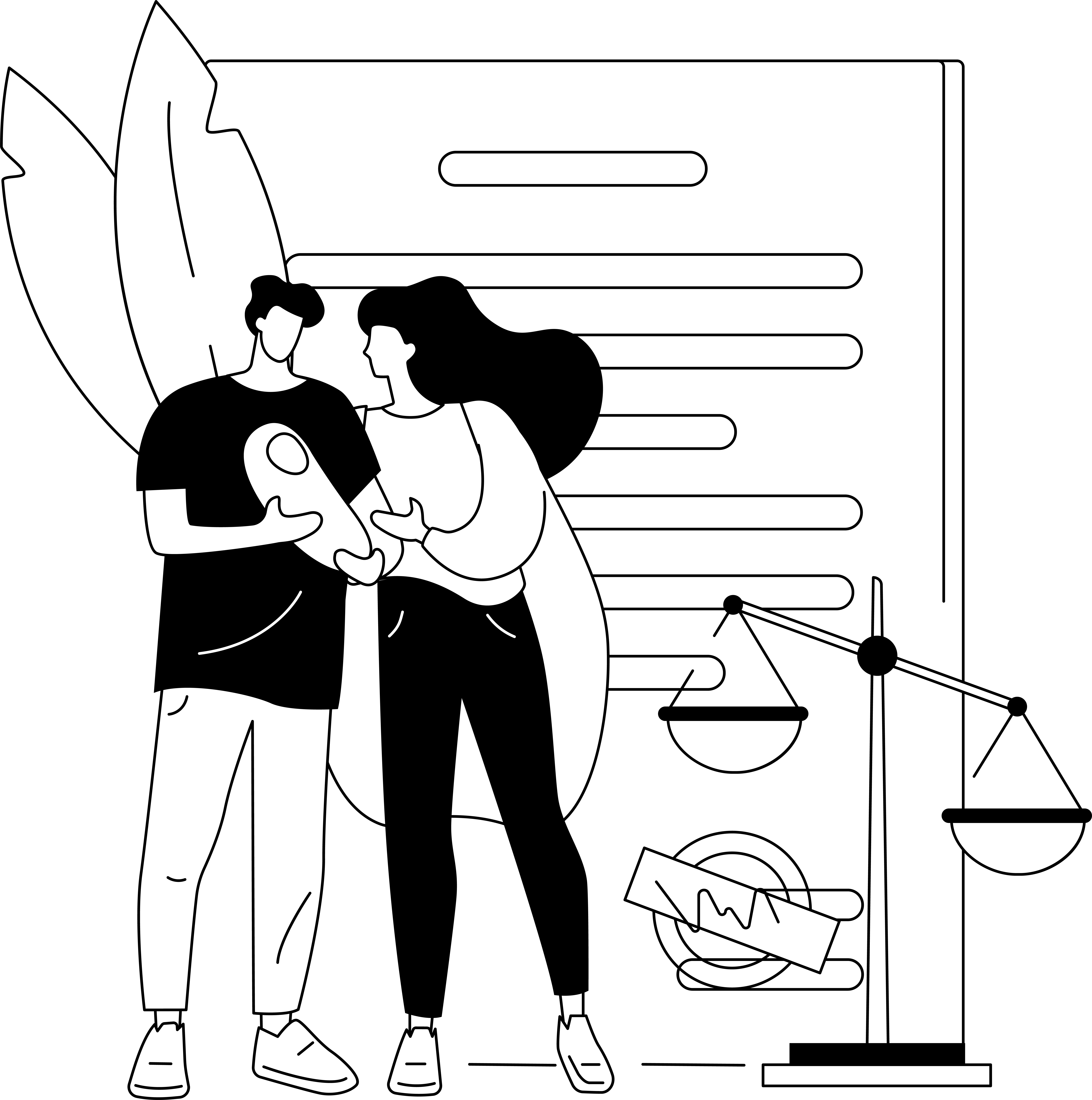
However, the promotion of non-heteronormative practices can create social and biological dilemmas. Same-sex marriage challenges the traditional gender roles that are associated with marriage and parenting. In a same-sex marriage, there may not be a clear distinction between a “mother” and a “father” figure, and children may be raised in non-traditional family structures. This can create social dilemmas, as children may face discrimination or stigma from their peers or society as a whole. Additionally, same-sex couples may face challenges when it comes to adoption and surrogacy, as some countries or states may not recognize their rights to become parents.
From a biological perspective, same-sex marriage challenges the traditional notion that reproduction is the primary purpose of marriage. Same-sex couples are unable to have biological children without the assistance of a donor or surrogate, which can create biological dilemmas. Some people argue that this can lead to a decline in birth rates, and that same-sex couples may be more likely to rely on assisted reproductive technologies that can be costly and invasive.
However, it is important to note that same-sex marriage does not necessarily lead to a decline in birth rates. Many same-sex couples may choose to adopt or foster children, which can provide loving homes to children who may not otherwise have one.
In conclusion, same-sex marriage is homogenizing and promotes non-heteronormative practices. It challenges stereotypes about gender and sexuality, and promotes equality and inclusivity. However, it can create social and biological dilemmas, such as challenges to traditional family structures and concerns about declining birth rates. Ultimately, the legalization of same-sex marriage provides individuals with the choice to marry if they so choose, and to have their relationship recognized and protected under the law.