Indians often tend to draw comparisons between the old but glorious days of Takshshila or Nalanda and the not so glorious present days of modern education. Educationalists have put significant efforts in designing our education system in a way that enables an individual to lead a better life in terms of financial, moral and intellectual capacity. However one can’t help but look on the other side of the wall- and wonder, is utilitarian education the best?
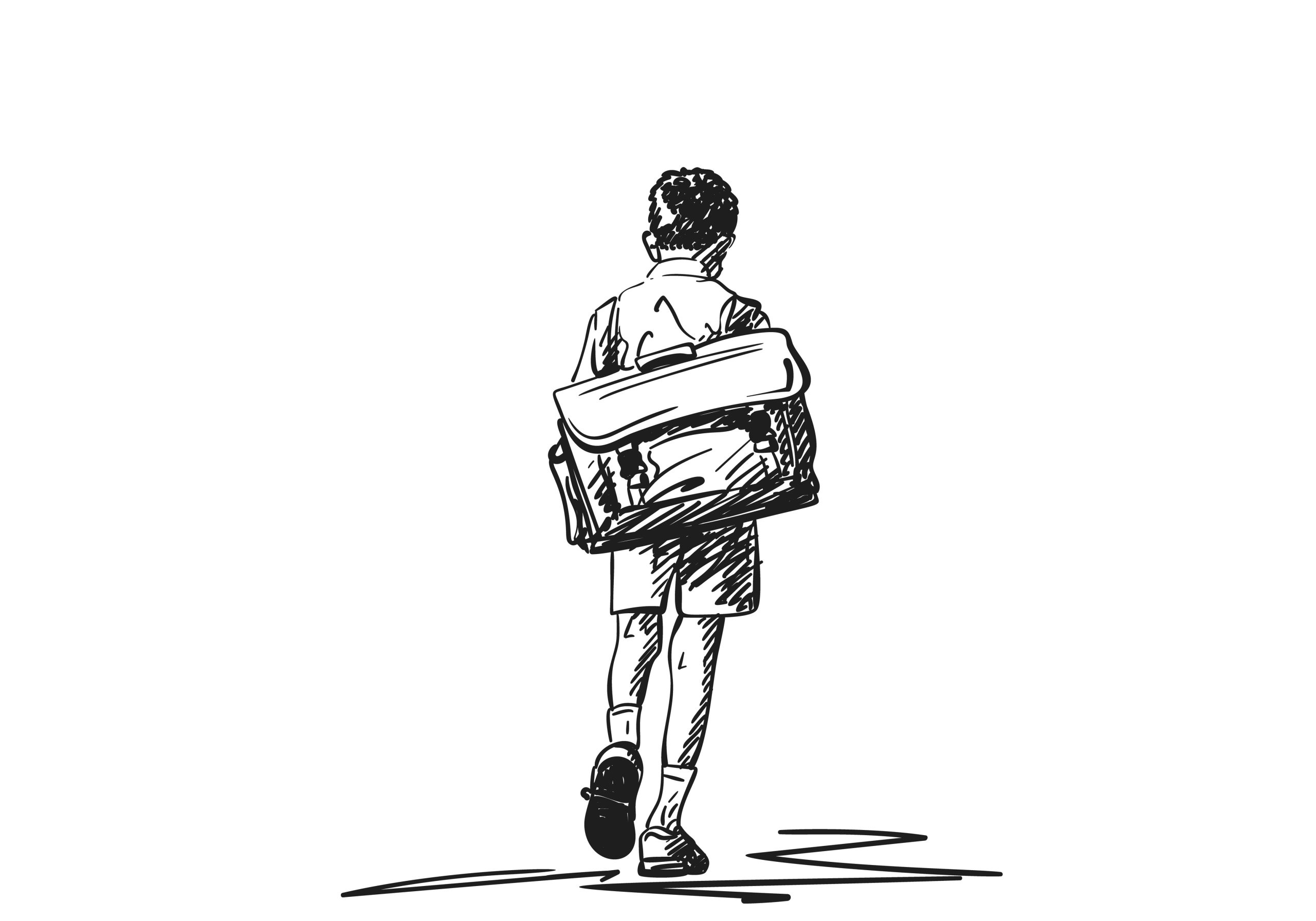
The Indian Education System focuses on producing people who can fit into our society as an elite and contribute to the nation by being its productive citizens. The formal schooling system is founded on a structured curriculum, dividing students on the basis of age, teaching and testing them through a scoring system leading to a certain certification at the end. It is in no way linked to the idea of identifying various kinds of interests, skills or talent in students but to teach them that pre-decided curriculum which has to be memorised and then spilled in exams without any significant retention of that knowledge.
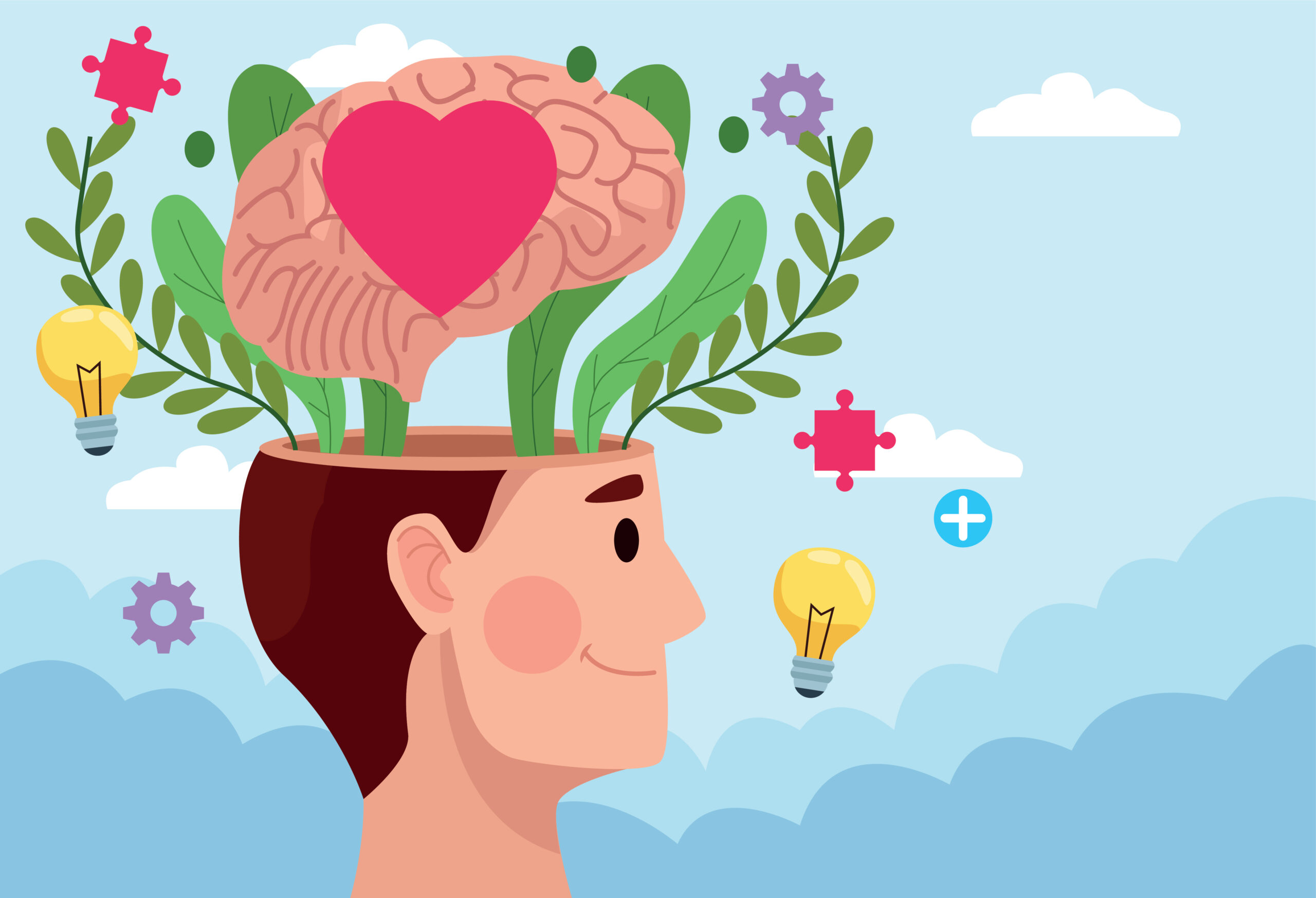
The question that looms behind such a requisite is – “Is getting a job the only purpose of education”? Doesn’t education have a bigger responsibility of helping the overall growth of students? When faced with the complexities of life, one often finds oneself standing at crossroads in life, not knowing what to do. They lack the moral and emotional education that they deserve to become better individuals. The system is then largely based on a selection of STEM subjects which then gains you in the position in the rat race where they are supposed to perform exceptionally. At the same time, the opportunity to know other facets of education, especially the non-utility subjects like literature, history, philosophy goes unrecognised. An architect can’t be a good architect if they lack the sense of history or a doctor not exposed to empathy might impact how well they do their job. Therefore one can be easily critical of the well rounded personality and worldly perspectives one is guaranteed to possess in the name of education.
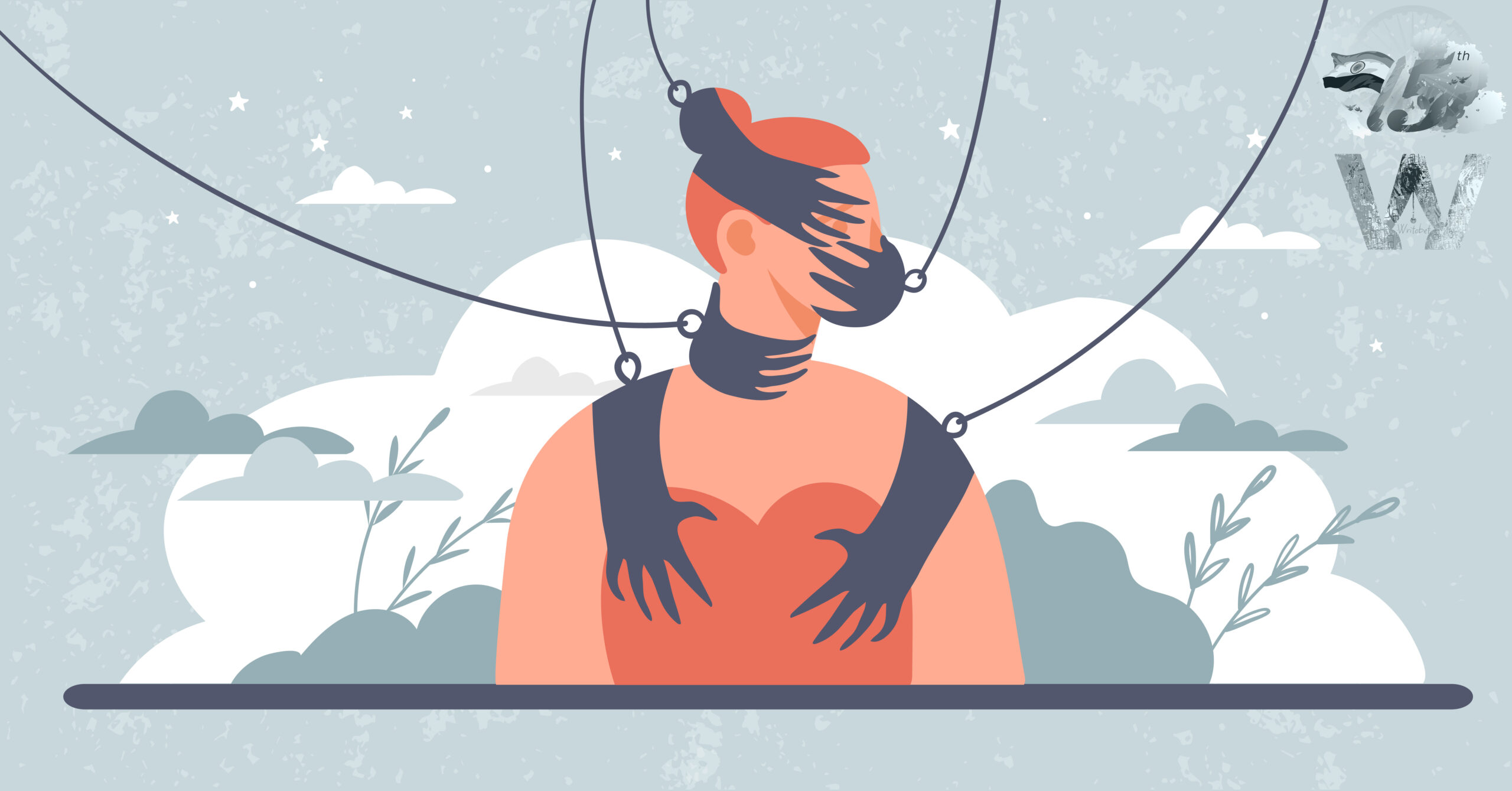
We are stuck in this cycle perpetuated by a utilitarian education system where after receiving an education, the long list of expectations by the society gets unleashed on us. The list goes on something like get a job, get married, be the breadwinner or the nurtured at home depending on the gender roles and have kids. Breaking such structure becomes tougher on a product of the utilitarian form of education because they are not prepared for anything that’s not vocational, so if one desires to break apart from these imaginary rules, they need a completely different set of skills and honed interests and talents to implement it in a space that can guarantee a safe survival.
N V Ramana, the chief justice of India while addressing a convocation of Sri Sathya Sai Institute of Higher Learning stated that true education is one which includes in its teachings, the moral values, virtues of humility, selflessness, tolerance etc. According to him, the education system should be designed in a manner that could elevate a student’s character and expand the horizon of their thinking. As one walks through the journey of life, one must know how to deal with the challenges and complexities of life in a more positive and unmechanical way. He emphasised that being truly educated means much more than excelling in the already designed curriculum but is in fact pushing these imposed boundaries and taking a peek beyond these, to explore the real world and confront it with a more rounded personality. He believes in a more positive and holistic change and a real and impactful advancement in the life of a student.