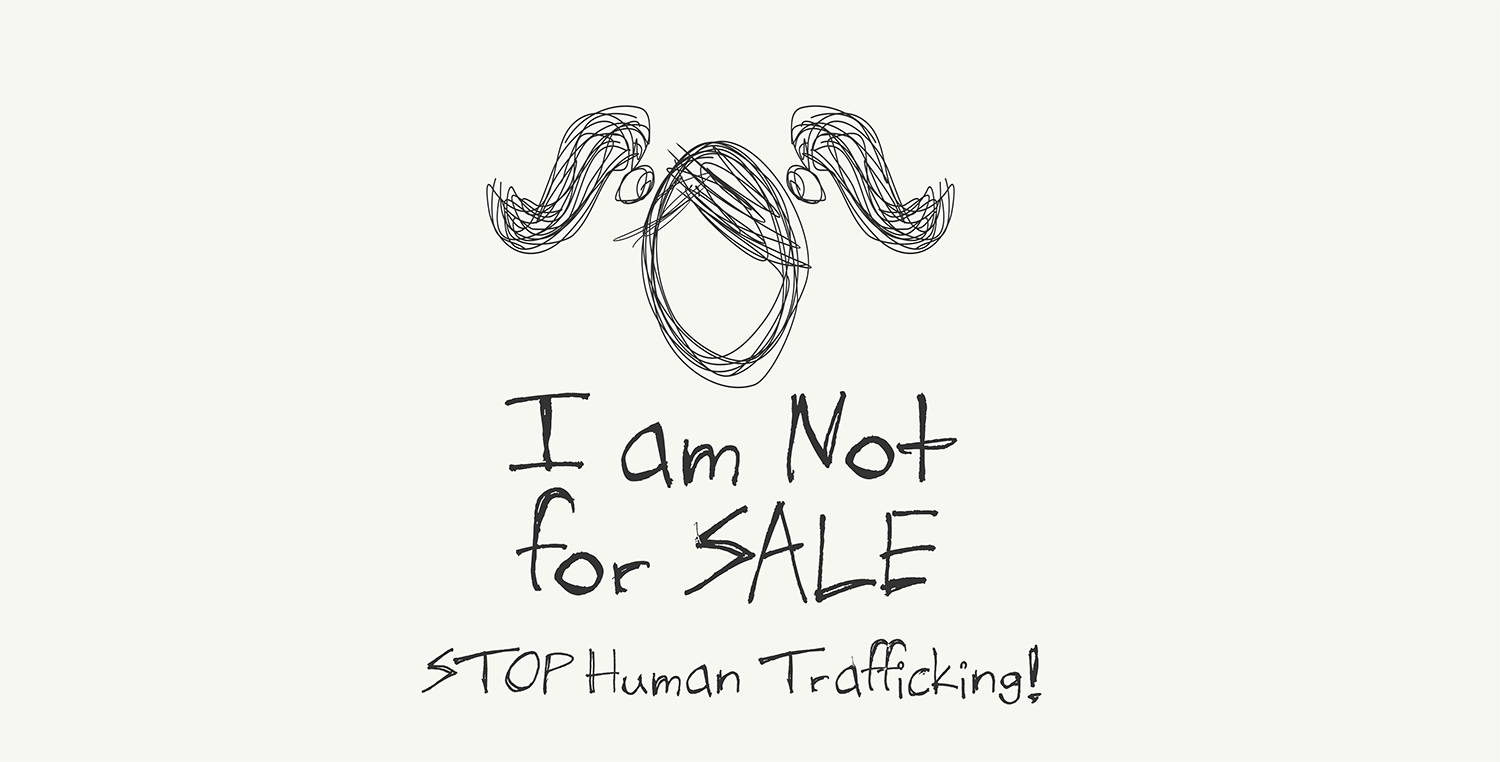
As India prepares to celebrate its hard-fought independence on the 15th of August, it is no doubt that India has proved its metal on the world stage as an emerging economic superpower and one of the strongest countries in the world. We have progressed tremendously as a nation and established ourselves as one of the most rapidly developing countries in different aspects in the 21st century. However, a shadowy issue persists, casting a somber pall over the nation’s progress. Behind the spirit of freedom and unity lies the dark reality of child trafficking, a scourge that continues to haunt the dreams of countless children across the country. Beyond the glitz of modern day Indian society, there are societal demons that still lurk in the dark. Child trafficking is one such societal evil that has a deep rooted presence in Indian society. Deemed as one of the most inhumane practices that kills the very essence of being a human, child trafficking is still widely in practice, in urban, semi- urban and rural areas.
Child trafficking has been in practice since time immemorial, when the Indian subcontinent was ruled by royalties and novelties. Small children were sent to different kingdoms as slaves who would work in the palaces as servants and used as sex slaves to the novelty. Children were widely in demand for the slave trade due to their youthful strength to carry out construction, agricultural and even domestic work as well as carried dual benefit of using them as objects of sexual pleasure for the rich. With the advent of the British, child trafficking reached its apex as the British shipped off a large number of locals to the West as slaves. Children comprised a major part of these slaves. These children who were sold off to the rich often came from poor households in need of money, orphaned or forcefully taken as a result of any circumstantial event. These children as victims of both physical assault, mental torture, deprived of education, proper food and even proper working conditions making their condition extremely pathetic. Even today, children are sold as domestic helps into big cities around the world, as sex slaves and even work in hazardous conditions of factories and even seen in hotels and restaurants doing small jobs. The fate of these children rests on the hands of their masters and their struggles often go unnoticed in the society of today that is too engrossed in itself.
Today, the Indian government becomes a ray of light against the plight of these children who are forcefully robbed of their childhood. There are certain legal safeguards and enforcements in the form of rules and laws that are formulated to protect the interest of these children who become puppets in the trafficking business and stop this inhumane act. Article 23 prohibits trafficking and forced labor of any kind. Article 24 prohibits the employment of children under the age of 14 in hazardous occupations. Juvenile Justice (Care and Protection of Children) Act, 2015 addresses issues related to child trafficking, exploitation, and rehabilitation. The Immoral Traffic (Prevention) Act, 1956 addresses trafficking for commercial sexual exploitation and provides for penalties. One of the most recent additions to these legal safeguards is the Protection of Children from Sexual Offences (POCSO) Act, 2012 that addresses sexual offenses against children and their protection. These laws are aimed at preventing child trafficking, punishing offenders, and ensuring the well-being and protection of children in India.
Despite the existence of such strict laws, the evil of child trafficking still lurks in society. Every other day, there are stories that run on news channels of girls and boys who were physically abused while working as domestic help in a big city, a group of girls who were rescued from being shipped off to the middle east or even prostitution rackets where small children were forcefully shoved into the sex trade. Such instances provide a solid reflection of what is happening in the society and a call for action against such inhumane practices. Only legal means is not enough to stop such a practice when the society needs to make a collaborative effort to ward off such a practice from the very roots. An informed and responsible society plays a crucial role in eradicating child trafficking. They can raise awareness about the issue, report suspicious activities to authorities, support NGOs working against trafficking, and advocate for stronger laws and enforcement.
Education becomes a powerful tool to empower children and make them aware of their rights and equip them with knowledge to fight any adverse situations.
“Education as Liberation: Empowering Children for a Traffick-Free India” is a vital initiative that recognizes education’s role in combating human trafficking. By providing quality education, children are equipped with knowledge, awareness, and critical thinking skills that empower them to resist exploitation. This approach aims to break the cycle of vulnerability that traffickers exploit, fostering a stronger society.
Through education, children learn about their rights, personal safety, and the tactics traffickers employ. By fostering a sense of self-worth and confidence, education helps children make informed choices, reducing their susceptibility to trafficking. The initiative also raises awareness among communities, encouraging vigilance and reporting of suspicious activities.
This Independence Day, it is imperative that we shed light on this pressing issue, reflecting upon our collective responsibility to ensure that every child in India truly experiences the freedom they deserve.